Old and New Pebbles
 |
 |
 |
 |
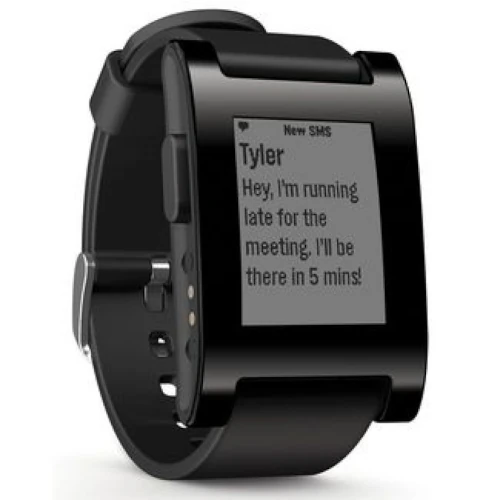
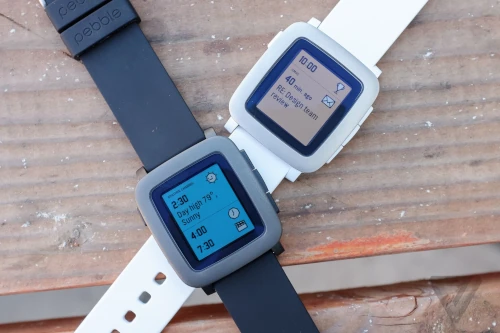
The original pebble smartwatch was arguably the first mass-production smartwatch ever made. A Kickstarter project was launched for the device in 2012. The device boasted a Memory-in-Pixel (MIP) LCD panel which allowed for always on operation without the need to be actively driving the display for large portions of the time it was on. It also ran a RTOS based operating system named PebbleOS which was able to run on a low power SOC. Both of these factors contributed to a battery life of a week or more. After a failed product launch of the Pebble 2, the company filed for insolvency in 2016 and was purchased by Fitbit. A community of loyal developers and users maintained the OS and provided services to replace the now defunct Pebble owned services that many applications for the watches relied on.
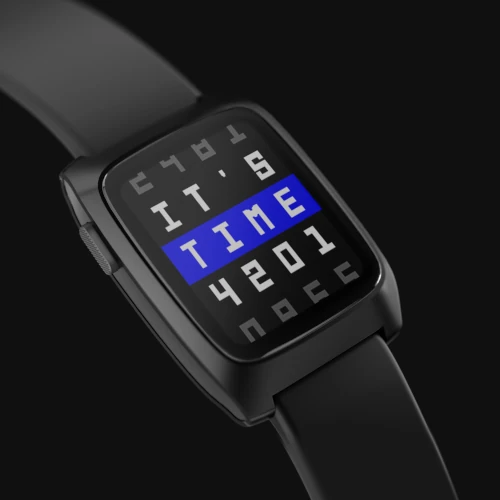
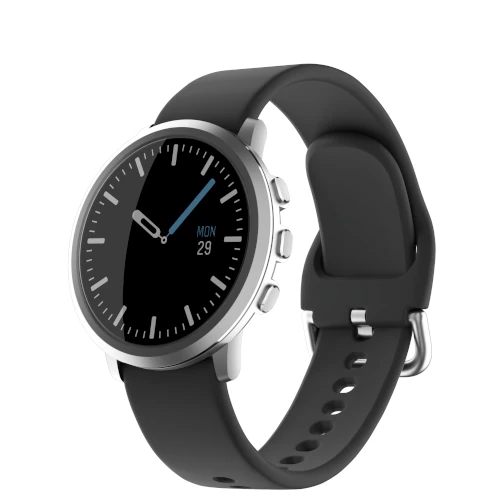
Nearly a decade later in 2025, Google (owner of Fitbit) released the PebbleOS software under an open source license. Later that year, the founder of the original company announced that he was creating a new device that would use PebbleOS in the same design style as the original devices. Accordingly, he announced that this new company would also update and maintain the PebbleOS codebase for the new devices as well as extending support to original devices. This new company, Core Devices, would later aquire the rights to use the Pebble brand again and has announced three new Pebble devices.
|
|
|
|